The word “enrichment” is often misused in the online world of dogs. Many people use it without a proper understanding of what it actually means. When talking about REAL enrichment in reference to dogs, most dog owners think it means keeping your dog busy or wearing them out. To some extent, this is true.
However, if we’re being completely clear, “real dog enrichment” actually means providing outlets for your dog’s natural behavior and instincts. We don’t want to just tire them out. We want to stimulate them, both physically and mentally.
* This page may contain affiliate links. As an Affiliate & Amazon Affiliate, I earn small commissions from qualified purchases.
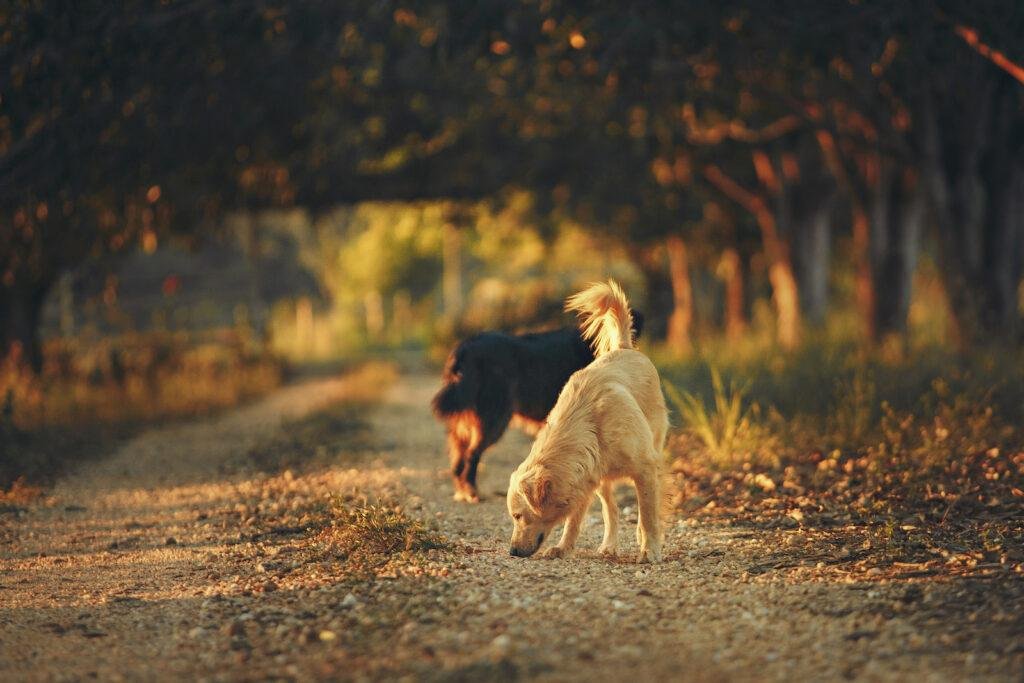
The word “enrichment” means to enrich, add value, or improve something. We want to improve the lives of our dog. A frozen treat or some peanut butter doesn’t quite cut it. If you, instead, put that same treat in a puzzle, now you’re making them think. Searching for and figuring out how to get the treat triggers a dog’s natural foraging instinct.
What is REAL dog enrichment?
Real dog enrichment is all about activities and an environment that provides mental, physical, and emotional stimulation to meet a dog’s natural instincts and behavioral needs. True enrichment goes beyond basic exercise or toys—it’s about helping dogs engage in species-specific behaviors like sniffing, chewing, chase, problem-solving, and social interaction.
It’s easiest if you know what breed your dog and what they’re bred for is to best understand their instinctual needs. Terriers, for example, are bred to hunt, so they enjoy chasing, stalking, searching, and destroying.
My dog is a mix, but mostly Terrier, so she loves to destroy stuffed toys, and obsess over her ball. This is because she has a very strong prey drive. That drive can be triggered by just rolling a ball or toy on the ground for her to chase. Or, I can play “tug” with her (bite work) to simulate capturing prey.
My other pup is a Labsky, half Husky and half Labrador Retriever. Retrievers were bred to retrieve small, dead animals that a hunter has already killed. Even though Willow is only half-Retriever, she still obsesses over ducks, geese, and other birds. Interestingly, she doesn’t seem to care about squirrels or other small animals. She won’t chase a ball, but she goes nuts for a flirt pole! Why? Because it’s in the air, like a bird.
Hound dogs or a hound mix may be more interested in working with a scent work kit or tracking. To mimic this, you can use treats or toys hidden around the house, or outside, for them to find.
These dog enrichment activities trigger natural instincts, eliminate boredom, and because it’s a highly stimulating activity for them, it also calms them. Mental stimulation is exhausting for dogs. And, when dogs are calm, they follow instruction better, pull less on the leash, and focus better on training instruction.
What if you don’t know your dog’s breed?
That’s perfectly okay. All dogs have some things in common. They all want to forage, sniff, and most like to dig. One of the easiest ways to provide enrichment for your dogs is with scatter feeding. Throw some dried kibble or low-fat, small training treats in the yard, spreading it around, and let them forage. Remember to subtract this feeding from their meals, so you’re not overfeeding them. Treats should only be 10% or less of their total daily intake of food.
Another option is to put kibble in boxes, or roll them in old towels or packing paper. Let them forage through it to find all the goodies. This can also be done with old egg cartons and empty paper towel rolls.
You might be surprised to know that taking your dogs with you to run errands is also enriching. This is because it exposes your pup to new sights, sounds, and smells. And, let’s not forget the potential for social interaction with new people and dogs! This also counts as REAL dog enrichment.
All of these activities allow your dog to sniff and learn new information, which is wonderfully satisfying for them.
Other Ways to Stimulate a Dog’s Mind
You can play games with your dog, like the “shell game”. Place a treat or toy under a small cup, bowl, or box, mix them up, and let them find the the treat. Obviously, you have to interact in this game with them, but it’s a short game, and you can play it a few times with different treats, if you want.
For diggers, take them to the beach or woods to dig naturally. If that’s not convenient or possible, consider building them a small sandbox, so they can dig as they please. Bonus: they might stop digging in your garden!
Some dogs might like to jump at, or chase, bubbles! This is a fun Summer activity, and I’ve discovered that some bubbles are flavored specifically for dogs. This increases dog enrichment by making it a scent-oriented game too!
Another easy way to engage your dog is to train them. Most dogs, like mine, love to have a job to do, whether it’s agility training, or just learning to sit and stay. They look forward to the positive reward, but keep in mind that dogs tire of training quickly.
Dogs do need consistent training, but they can only handle a few minutes of training at a time. Practice multiple times daily rather than all at once. For example, do 5 minutes of basic training first thing in the morning for a few minutes, then work on something else later in the day.
How often do I need to provide dog enrichment?
As often as you like. Daily is ideal, but that may not work for everyone. The more dog enrichment you can provide, the more relaxed your dog will be. When dogs are relaxed, they’re more likely to nap more, which is a good thing.
Dogs should sleep most of the day and night (16-20 hours per day). If they don’t, then they probably need more daily dog enriching activities, like the ones mentioned above.
What is your favorite type of enrichment to do with your dog? Do you have a creative and enriching dog activity to share with us? Please post in the comments. We’d love to hear about it!


