I’ve never been a dog park person in the past, but in the last few years, I’ve decided it might be a good thing. Originally, it was due to getting a new 6-month old rescue pup, and she was our only pet. And, our neighborhood wasn’t very dog-social, so I started taking her to small dog parks with an area specifically designated for small, old, or shy dogs.
These days, I have two dogs who are both high-energy working dogs. This means they require more mentally engaging activities or enrichment, and lots of physical exercise to keep them engaged, relaxed, and happy.
My dog, Cali, loves to play ball, but our yard isn’t quite big enough for the space she needs to do that. Willow, on the other hand, just wants to run hard, and get all the energy out. She’ll run in circles, if she has to, but she truly needs it, as she’s half Husky.
Are dog parks safe?
Honestly, it depends on the park and the dogs, which you cannot control. What you can control in a dog park is your own dog, and you better have good control over them. If you don’t, or your dog is reactive, you really shouldn’t be in a dog park in the first place.
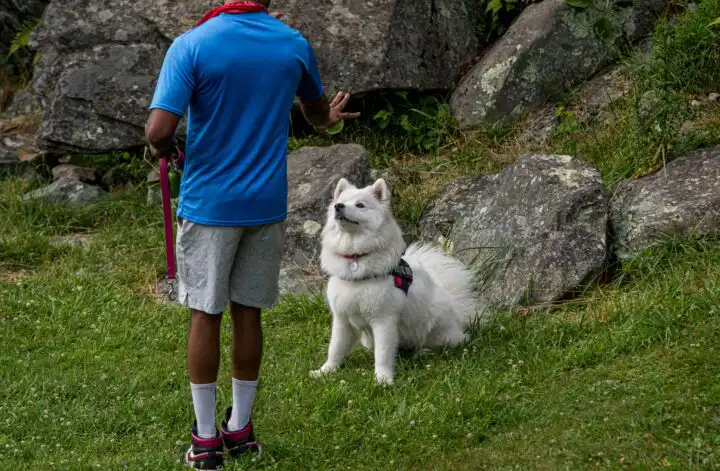
Your pup should know to “leave it” or what “no” means, in case they try to pick up garbage, another dog’s toy or ball. They should also have a strong “come” command, so if there’s an issue with another dog, you can safely call them away from the situation.
You should know that dog parks, in general, have a lot more dangers than just a fight breaking out unexpectedly. There are several other risks your dog will encounter at the dog park you should be aware of, like disease, injuries, and parasites. And, many of them you may not even have crossed your mind.
What are the benefits of taking my dog to a dog park?
There are two big reasons why dog parks are so popular. The first reason is socialization. Dogs get great benefit from being socialized early and on a regular basis, but sometimes getting them that socialization can be difficult if you don’t live in a neighborhood with dogs, or you live in a more remote area. This is where dog parks can help.
The other big reason is exercise. Not everyone can get their dogs out to do what dogs do best….run and play. People may be older and can’t walk as long. Some dog owners have chronic illness or disabilities that prevents them from exercising their the dogs as much and as often as they need. Leash training could be an issue too.
5 Signs of a Good Dog Park
- Cleanliness: Waste should be removed, water bowls cleaned, walkways cleaned, etc.
- Maintenance: Making sure the fencing is safe (no jagged or broken areas of the fence) and in place, grass is mowed, removal of any debris or waste, and repairs are made, as needed.
- Clear Rules: How many dogs you can bring, what size dogs are allowed in the fenced area (some parks have separate areas for certain dog sizes, which is a good thing), off-leash rules, such as no dogs in heat, no aggressive or sick dogs, licensing requirements, etc.
- Proper Fencing: Fences should not have any gaps where dogs could squeeze through, be strong, safe, made of dog-friendly materials, and be at least 5 foot high without any clearance at the bottom. There should also be a double-gated entry.
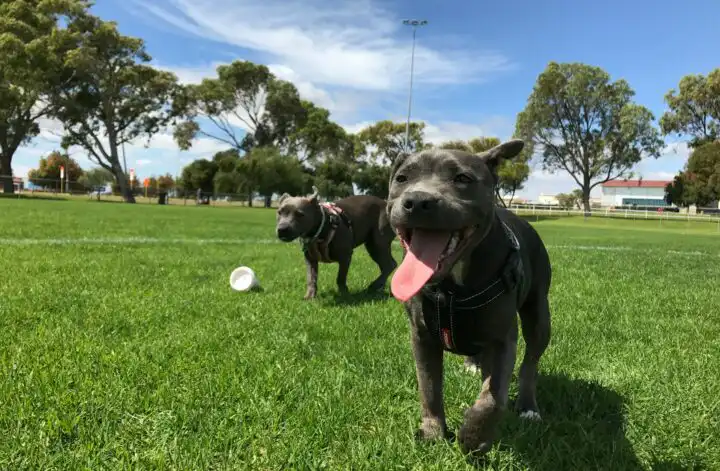
- Convenient Design: agility equipment (bonus), appropriate lighting, large grassy area (or soft turf or mulch), trees, and lots of running space, benches/seating, water availability, shaded areas, dog waste stations, and ideally, an area for small or shy dogs that is separate from the larger dogs.
Are you Dog Park material?
You may not know the answer to this question until you try out a few different dog parks. In general, though, as a dog owner, you need to know your dog. It’s important for you to understand how to read your dog’s signals and behavior, so you can prevent issues that may come up for your dog. It’s also worth noting that this skill will come in handy when watching other dogs in the park.
Is your pup dog park material?
Your pup needs to be well-behaved, aka good manners. Not perfectly trained, but one that doesn’t bully or harass other dogs, or show any signs of aggression or dominance. Your dog should also naturally disengage when confronted by a dog who harasses them.
Unspoken rules to remember at the dog park:
- Bring you own water bowl (avoid germs)
- Always clean up after you & your dog.
- Don’t bring treats or toys. They foster guarding.
- Know your dogs play style & temperament.
- Be sure your pup’s vaccinations are up to date.
- Make sure your dog’s license is updated and on their collar.
- And, don’t let people, kids, other dogs harass your pup.
- If there are dogs showing poor behavior, leave the park.
- PAY ATTENTION. Be present & aware of all dogs, including your own.
You being relaxed will help your dog be relaxed, so if you feel like you might be anxious the first few times, consider visiting when it’s not very busy. Choose weekdays, mid-day, when only a few dogs are present, and you can do a drive-by to check before you decide. I’ve done this many times when my dog, Cali, was younger. I even started her in the small dog area when she was a puppy. As she got older and larger (although still only medium-sized), I moved her in with the large dogs because she’s a spirited playmate!
What to Do When Things Aren’t Going Well
Easy…leave. We’ve had a few bad experiences at dog parks, but overall, it’s been positive. For whatever reason, some dog owners will bring dogs into the dog park who shouldn’t be there in the first place. They’re young and afraid, completely wild, dominant and aggressive, or just too old and frail.
If you ever feel like someone has brought a pup into the dog park who is behaving inappropriately (aggression, humping/in heat, or is being obsessive with your dog), it’s okay to leave and try another park, or coming back another time when there are less dogs, or a different mix of dogs, there.
To avoid potential issues, we tend to skip going to dog parks on the weekend or holidays. It just gets too busy, and our dogs sometimes get overwhelmed. Overwhelm can happen quickly with a dog, so keep dog park visits fun and short. The longer they stay, the more stress can build up. You can also give them short breaks, and walk them outside of the dog park for a bit, then bring them back in for a short play session before you go.
When You Find a Dog Park with Dogs & People You Like
There is a reason why looking for a good fit is worth the effort. Eventually, you’ll find a place that works for you. Your dog will find a best friend that meets them at their level, and they’ll have similar play styles. And, generally, the same folks with the same dogs show up to the same park.
You’ll find someone to talk to you while you keep an eye on all the dogs, especially your own. It’s nice to compare stories, share insights, and pet all the dogs that approach you (respectfully and carefully). It’s a dog lover’s paradise.
Let me know in the comments if you’re for or against dog parks and why — what went great or what went wrong?