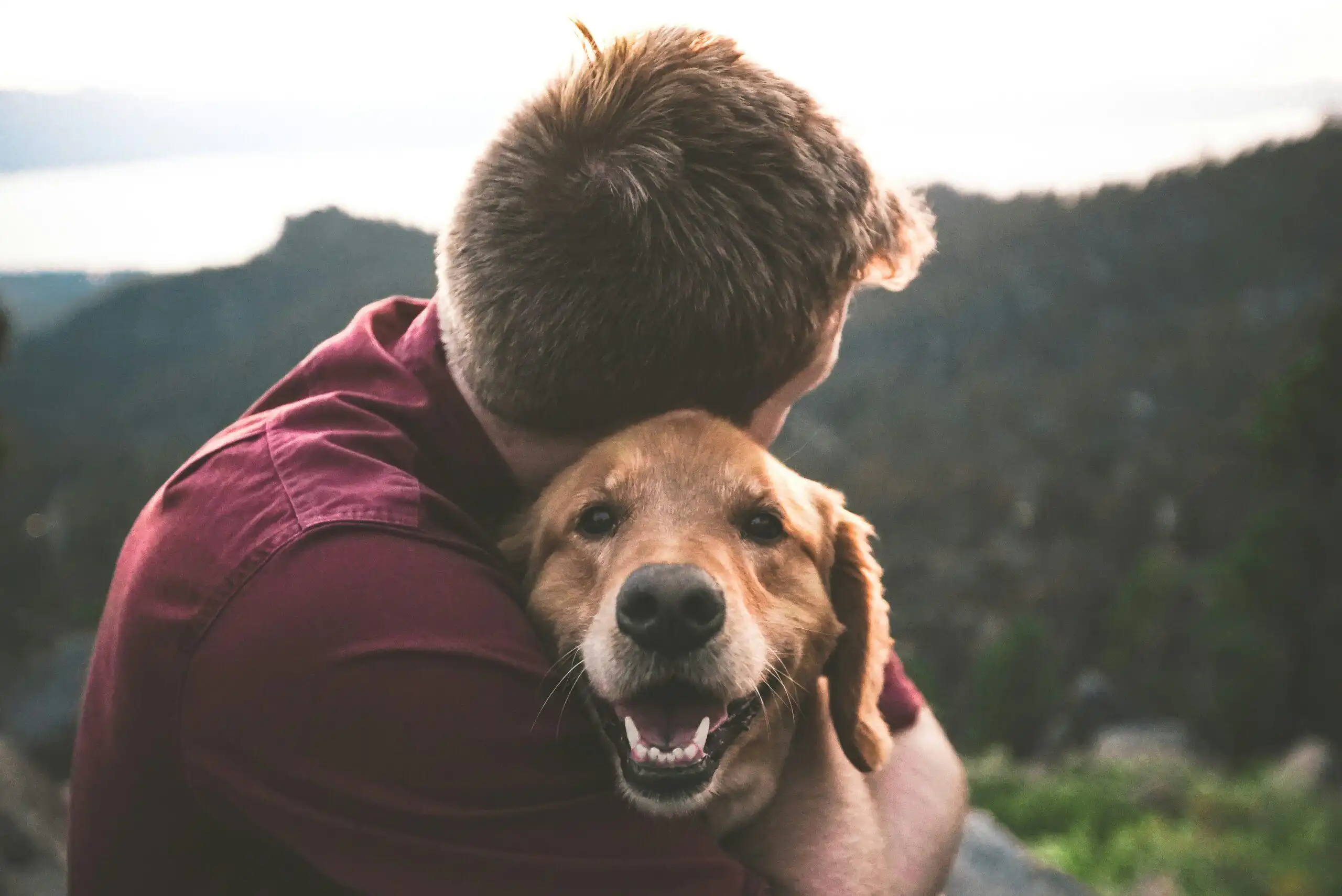

Would you like to deepen the bond with your dog? Have the kind of relationship where they look to you for comfort, trust your guidance, and genuinely enjoy being right by your side?
Building a strong bond with your dog isn’t difficult or only for “dog people.” Research shows that simple interactions can strengthen trust, lower stress, and improve communication between dogs and humans. From everyday routines to little moments of connection, science clears an easy path for creating a deeper, healthier relationship with our dogs.
On this dog blog, we believe bonding isn’t about perfection. It’s more about consistency, empathy, and showing up for your dog. There are several science-backed methods you can start using right now to strengthen the connection with your dog (aka, your best friend).
How to Build a Stronger Bond with Your Dog
Dogs form attachment bonds similarly to how children bond with their parents or caregivers. When you respond to your dog’s signs for affection and safety, you start building a secure, or more secure, attachment.
When your dog approaches you, try to acknowledge them with a relaxed, loving, and positive response. During stressful situations like loud noises (fireworks, sirens, etc), new environments, or meeting new dogs or people, be their refuge.
This kind of support builds trust and confidence, and also encourages your pup to explore the world, knowing they can turn to you for reassurance.
Strengthen the Bond with Your Dog with Positive Training
Research continues to show that reward-based (positive reinforcement) training strengthens the bond between dogs and humans, and are more effectively than punishment-based methods. Use treats, praise, toys, or playtime to reinforce positive behaviors, and keep training sessions short and fun (5–10 minutes is ideal). Too long of a training session, all at once, tends to cause stress or anxiety.


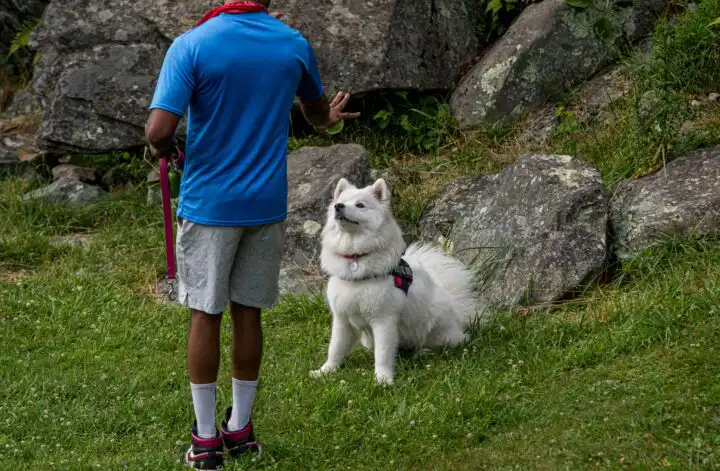
Practice commands in different places to help them learn to focus on you, and less on distractions. Training should feel like a natural partnership. When your dog feels successful and supported, their trust deepens.
Prioritize Quality Time Over Quantity
One of the most heartwarming discoveries in canine research is that when humans and dogs relax together, their heart rate variability (HRV) sync. Without trying, you automatically respond to each other’s contentment. When you’re calm, your dog feels it, and when your dog is relaxed, you absorb that same sense of peace.
Consistency and presence are so important, even more so than how long you spend time together. Ten minutes of fully present connection is so much more valuable than an hour of distracted time. It’s one of the simplest ways to strengthen your bond.
What daily activities can help me and my dog bond?
Establish a daily routine together. These can be something simple, like morning greetings with soft eye contact and some cuddles, a before-bedtime brushing, or a short training session. These daily, positive interactions slowly build into a strong foundation of trust and connection.
Bonding with your pup isn’t difficult. Most of what it requires are activities that, as a pet owner, you would naturally do anyways. Even simple enrichment activities can significantly reinforce your relationship. Activities like:
- Interactive play (fetch, tug, hide-and-seek)
- Adventurous walks with lots of sniffing time
- Grooming or bathing sessions
- Quiet time, snuggling or relaxation
- New parks, trails, restaurants, etc.
These experiences together create positive emotional bonds, and help your dog recognize you as their sanctuary or safe space, and friend to explore the world with. Over time, these constant, supportive interactions deepen trust and emotional safety.
Be Clear & Respect Your Dog’s Boundaries
Reading your dog’s body language is a powerful trust-building skill, but can take time to understand. Respect their “no” signals. These can look like them turning their head away from you, lip licking, stepping back, or slicking their ears back (laying flat). Being mindful of your dog’s feelings shows them that you respect how they feel.
Consistency in commands (which can be difficult) and house rules also help dogs feel safe. Use clear body language and a relaxed tone. Dogs are experts at reading nonverbal cues, so the way you communicate with them matters just as much as what you actually say.
It’s Worth Taking the Time to Build a Bond with Your Dog
Bonding with your dog is a journey of of patience, consistency, and responsiveness. Every little interaction is an opportunity to strengthen the relationship with your dog. Start with one or two methods from this bonding guide and continue to build your bond from there.
How do you bond with your dog? Let us know in the comments. We’d love to hear your experiences and stories.