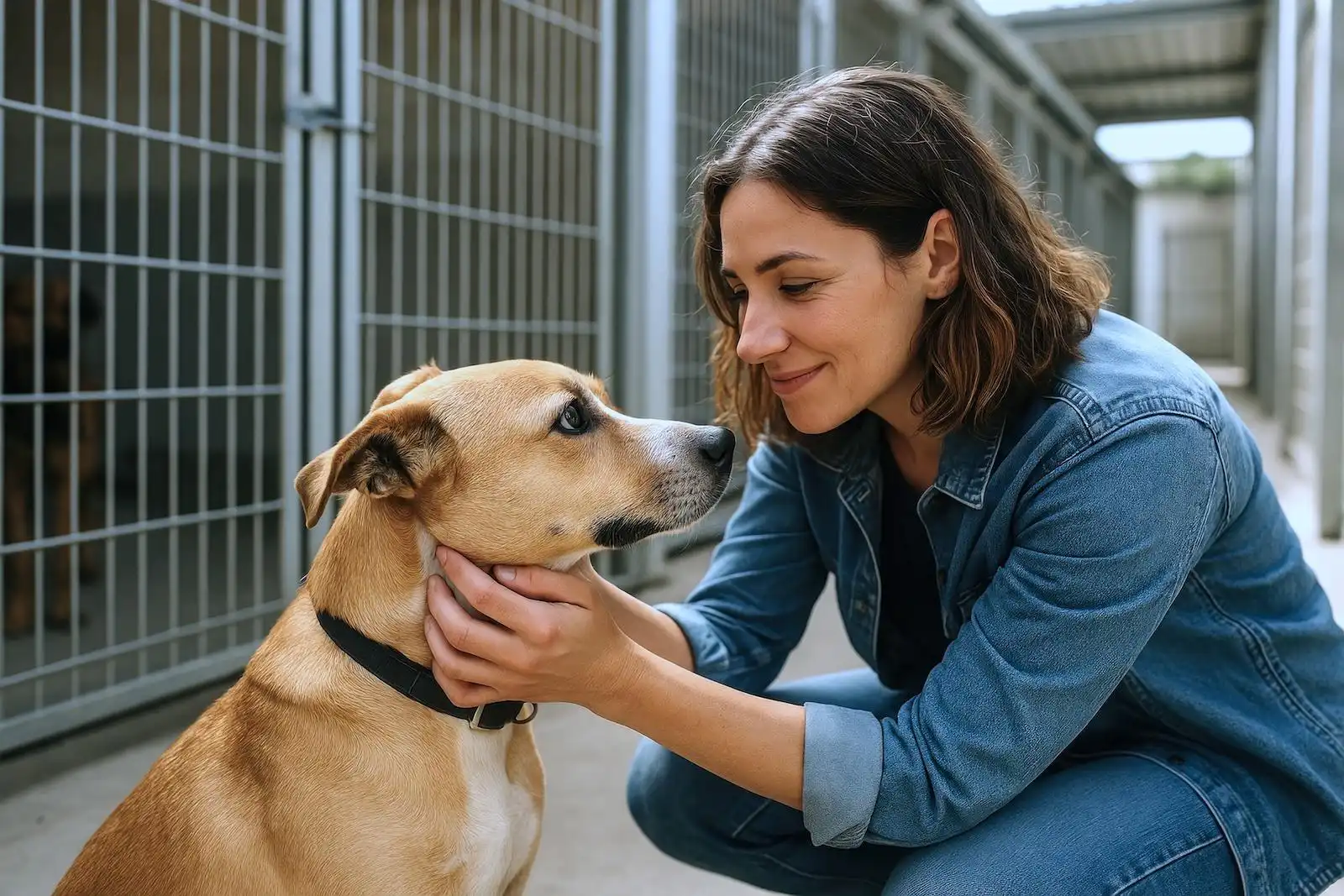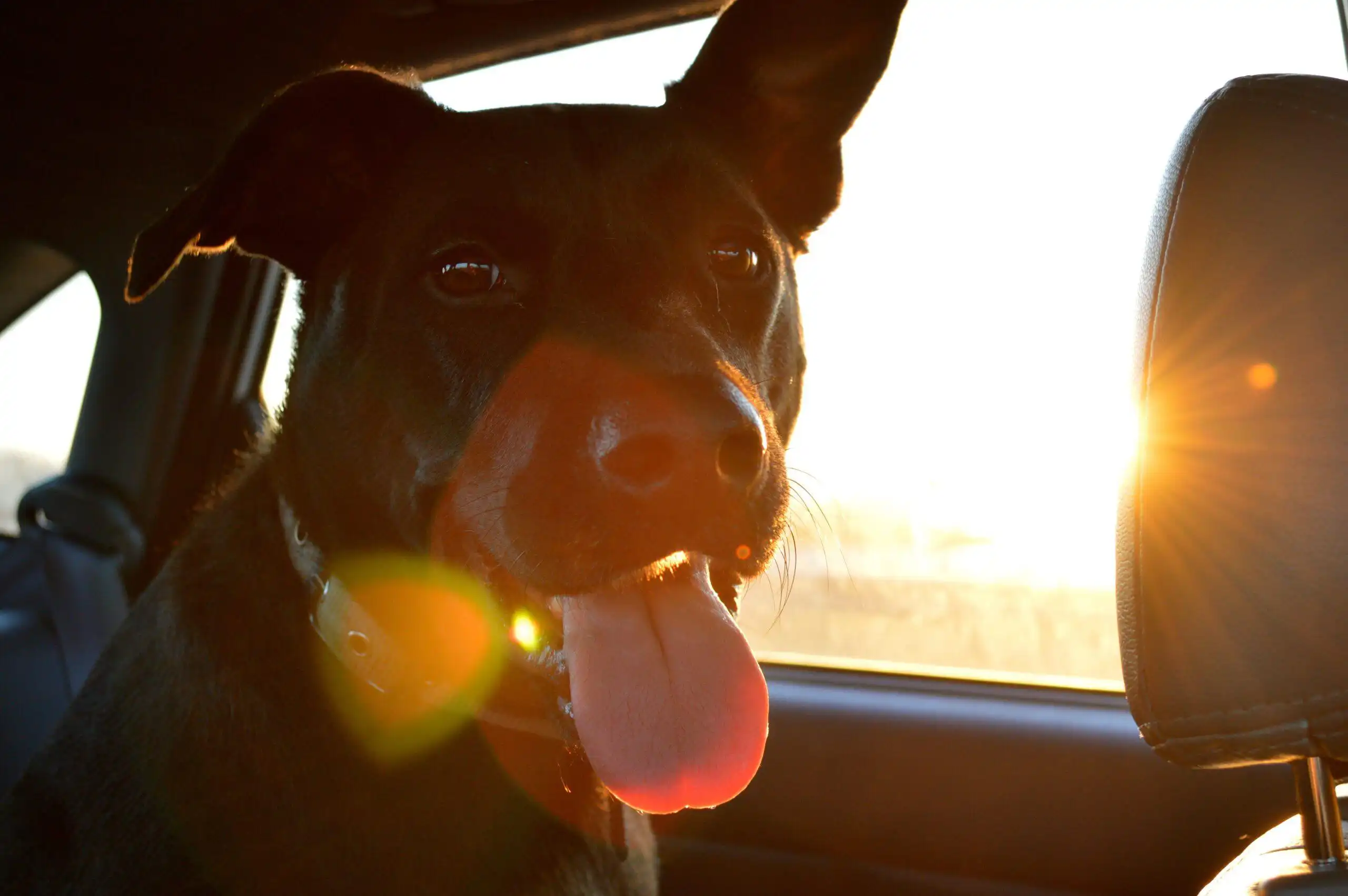

The first time I thought about getting a second dog, I was watching my dog look out the window and through the backyard fence, happily, as she wagged her tail at everyone passing by. Maybe you’ve experienced something similar when spending time with your dog. The idea of adopting another dog may have you already searching through dog adoption websites. This happens to me a lot, and I already have two dogs!
The possibility of getting a second dog triggers both excitement and fear, because it means twice the happiness, but also twice the work. Adding a new dog to your home requires thorough evaluation, and could make your home more loving and beautiful. But, we need to examine both the positive effects and real consequences of bringing a second dog into your home.
What are the benefits of getting another dog?
Getting a Best Friend for Deeper Bonding
Dogs establish their own bond through body language when they interact with each other. The introduction of a new dog means introducing a companion who understands your first dog through their own form of communication. The bond between the two dogs creates a strong relationship which also enhances your connection with both pups.
For dogs who struggle with separation anxiety, like my dog, Cali, having a friend at home can be life-changing. Instead of pacing by the door or window when you leave, they have someone to curl up with on the couch. Instead of spending long afternoons by themselves, they have a playmate who’s always up for playtime or zoomies.
I’ve seen this, first hand, after adding Willow to our family. Cali had severe, heartbreaking separation anxiety, but once Willow joined the family, she taught Cali how to relax. Cali got a new best friend, and we got some of our freedom back. It was a win-win situation.
Double the Fun, Double the Love
If you’ve ever watched two dogs play, like really play, then you know it’s better than any TV show. The zoomies multiply, and get pretty crazy. Playtime wrestling is epic. You’ll find yourself laughing at their antics and strategies in ways you never expected. Dogs easily create a their own world of joy.
And then there’s the love. Each dog will provide different kinds of joy with their unique personality. One might be the little stalker who follows you room to room, while the other is the cuddler who who makes you feel like the most important person in the room.
Building a bond with your dog (now, possibly two dogs) means experiencing the depth of these two different relationships. The time you spend bonding with your first and second dog, whether individually or together, becomes twice as rewarding.
They Keep Each Other (and You) Active
Dogs tend to motivate each other. A lazy morning becomes a play session. A tired dog suddenly has energy when their friend wants to play. And you’ll likely find yourself getting outside more, taking longer walks, and being more present because your dogs are engaged with each other, and with the world around them.
These interactive activities become perfect opportunities for bonding with your dog, while also allowing them to strengthen their bond with each other.
For shy or nervous dogs, having a confident companion can work wonders. Timid rescues gain courage by watching their brave sibling navigate the world, learning that the vacuum isn’t a monster, and that new people can become new friends.



What is the reality of getting another dog?
The Long-term Outlook of Adopting a Second Dog
Getting another dog or other pet is a long-term commitment of 10-15 years (maybe longer). It’s important to look ahead before considering a permanent decision like this. How will having another dog affect future travel and financial future? It could also make finding housing more difficult, if you’re a renter, as many don’t allow pets. If they do, you’ll typically be charged large deposits or even added, monthly, pet rent. This is made more difficult by having multiple pets. I’ve been renting my whole life, and have always had pets, so I know, first hand.
If you’re older, what will your health and energy levels look like in 15 or more years from now…will you be able to handle two dogs down the road? What about your dog’s health? You need to consider that your dog’s health may be impacted in later in life, and you may have to face difficult health care issues and decisions.
Life circumstances can change on a dime. Career changes, moves, family responsibilities, or health issues or you or the dogs can all affect your available time, energy levels, and finances you’re able to give to your dogs. Thinking ahead ensures you can continue providing the stability, care, and quality of life for your dogs now and into their golden years.
Your Budget Will Feel the Impact of Another Dog
Let’s talk money, because it matters. Everything doubles, or comes close to it. Vet bills, food (and treats) costs, flea and tick prevention, grooming, boarding when you travel. An emergency vet visit that costs $300 for one dog is still $300 for one dog even when you have two, and now you’re hoping the other one doesn’t get sick too.
Those little costs add up as well. An extra $50 a month for dog food, another $100 for routine vet care, higher pet deposits on rentals. Before you bring home that second dog, take a hard look at your budget. Can you genuinely afford not just the expected costs, but also the unexpected ones? Because they will come. They always do.
Time Is a Precious Resource for Building Strong Bonds
A second dog doesn’t just mean more time spent, but divided attention. If you’re bringing home a puppy or a rescue who needs training, you’ll need to invest serious hours into helping them adjust and learn. And, you’ll need to do it while making sure your first dog doesn’t feel forgotten or jealous.
Here’s something crucial to understand about bonding with your dog when you have two dogs: each one needs individual time with you. While they’ll bond with each other, your personal connection with each dog requires dedicated one-on-one moments. There will be times when your first dog needs you while the your second dog also needs you, and you’ll have to figure out how to be enough for both. Training sessions, individual attention, and separate walks (if they don’t get along at first) all take more time than you may have realized.
What if my Dogs Don’t Get Along?
Here’s the hard truth: not all dogs will get on well, and sometimes even dogs who seem fine together at first develop issues later. Resource guarding toys, food, or even YOU becomes a real problem. Your first dog might feel territorial about their home, their people, treats, dog chews or high-value toys.
Dogs can bond quickly and become best friends, but there are also dogs living together who barely tolerate each other, or worse, get in fights or become aggressive toward one another. While careful introductions and proper training helps, there’s always a risk that the dynamic won’t be what you were hoping for. This can get in the way of you bonding with your dog, as the constant stress will make harder for dogs to relax and build connection.
Accepting Your Decision
There’s no right answer, and that’s fine. Some families thrive with more than one dog. Others find that one dog is the perfect amount, allowing them to focus all their time and energy on strengthening the bond with that one pet. What matters most is choosing what makes sense for you, the dog, and your family dynamics.
If you decide yes to taking on another dog, start slow. Take time introducing the dogs to each other, consider training, and be patient during this important adjustment period. Remember that bonding with your new dog takes time, just like it did with your first dog.
It will probably feel chaotic at first, but lots of people enjoy watching their dogs become family, which can make it all worthwhile. You’ll find new ways of bonding with each dog, individually, while also enjoying the pack dynamic.
If you decide no, or not yet, that’s also okay. Devoting all of your love to your first dog is a beautiful thing. Continue strengthening that bond with your pup through daily walks, training, cuddle sessions, and all the little moments that make your relationship so special. There’s no shame in knowing your limits.
Whatever you choose, choose it with both your heart and your head. The best decision isn’t the one that sounds perfect. It’s the one that works perfectly for you, your dog, and the life you have.
Are you considering another dog? Let’s talk about more pros and cons in the comments!