Moving with dogs or other pets can be stressful for all involved. I know this all too well. I’ve been a renter for most of my life, except for two years when I owned a home. That’s a LOT of moving, and when I developed environmental sensitivities, we moved even more, sometimes across the country.
We’ve always had dogs and other pets, so we’ve repeatedly moved with them. Unfortunately, this can put major stress on our furry friends. Their entire environment is changing, and big changes like this can cause pets to feel confused, scared, nervous, and stressed.
* This page contains affiliate links. As an Affiliate & Amazon Affiliate, I earn small commissions from qualified purchases.
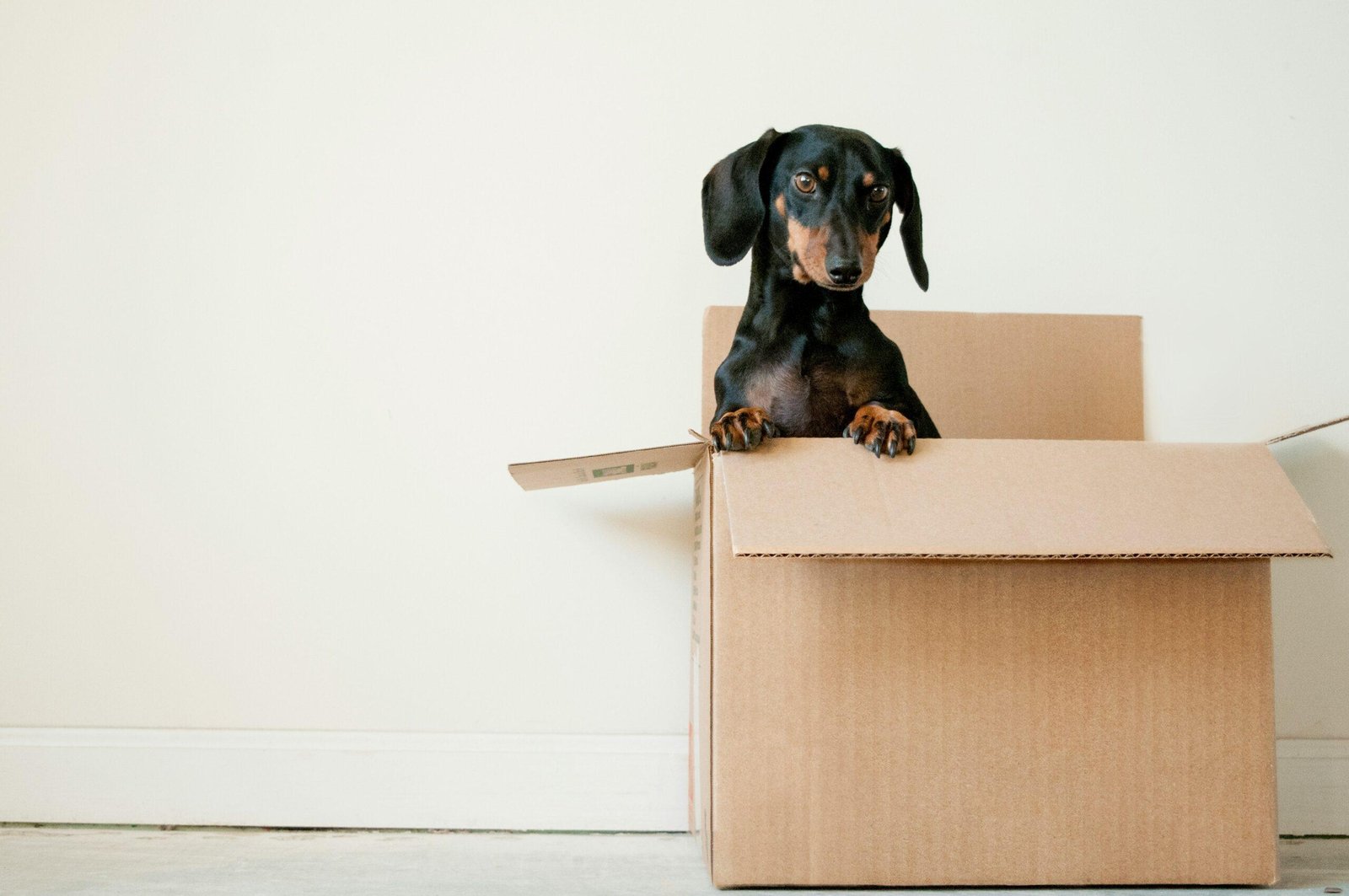
Both you and your pets are losing their home, daily routine, comfort and your sense of safety. It’s a lot to go through for everyone involved. The first thing you can do to keep your dog calm is to keep your own stress levels under control. Dogs, especially, can feel your stress, and can feed off of it, becoming stressed too.
Be sensitive to how the move affects your pets, and make minor adjustments to keep them feeling safe and calm.
1. Let Your Pups get Familiar with Packing Supplies
If your dog tends to be nervous around new items, furniture, or doesn’t do well with small changes, it’s a good idea to introduce some of the moving supplies. Also, familiarize them with sounds that might be heard during the packing process. Let them sniff out the boxes, paper or bubble wrap, trash bags, moving blankets, and tape (and whatever else they might be unfamiliar with).
2. Maintain Pet Routines During the Move
It’s helpful to try and keep up your pets’ routines while you’re preparing to move with your dogs or other pets. Feed them at their normal times and walk them. Ensure they still have their favorite place to rest or nap. Take short breaks to play with them. These actions will help keep their lives feeling somewhat normal. The short play breaks will help relieve some of your stress too!
3. Get an Early Start on Packing
The most important thing to remember when moving with dogs, or even cats, is to start packing early. Why? Because you want to ease your pets into this big change slowly, and with care. You want them to hardly notice what you’re doing. If possible, start a month before the move and sort through everything, one room at a time. Think of it as a big, Spring cleaning!
This will help you weed out the things you don’t need or want to take with you. These items should be donated or trashed. Don’t forget to consider donating some of your dog’s old toys and gear to animal shelters in need. And, trust me, your pets won’t find this activity the least bit interesting.
4. Slow Packing is Best When Moving with Dogs
Next, you want to work on the packing part, but, again…slowly. Work in one room at a time. This is important because, again, we don’t want to create chaos in the home. Focus on the least-used rooms first…spare bedrooms, second bathrooms, closets, decor items (wall decor, frames, knick knacks, etc.) storage areas, etc. Packing these rooms won’t alarm your dogs. They may follow you around a little bit, trying to figure out what you’re doing. Just reassure them with attention, treats, and play.
5. Dog Enrichment is a Great Tool to Calm Pets
Enrichment is a great resource to use when you’re moving with dogs. It keeps your dogs busy so you can get some packing done, but also helps keep dogs calm. Real enrichment is excellent for physical and mental stimulation. It reduces energy levels, encourages engagement, and prompts them to problem-solve. All of these things give them a “job” to do, depending on the type of stimulation you give them.
Sniffing wears them out quite a bit, both physically and mentally. Scatter feeding in the grass or on a snuffle mat (that imitates grass) is easy and quick to do. The foraging will keep them occupied for a little while. You can also use treat puzzles or hide treats around the house and encourage them to go “find it”.
You can also use paper, small boxes, egg cartons, and paper towel rolls to hide food and treats. If you have an extra smart dog, like I do, then layering enrichment works well. Wrap small, healthy training treats or kibble in paper. Then, put the paper in another box and close it. Make sure no tape, labels, or staples are in/on the box. They’ll be tearing it apart and you don’t want them accidentally hurting themselves, or swallowing anything they shouldn’t.
When walking your dog between packing, avoid walking them on sidewalks. Instead, walk them on trails, in the grass, gravel, dirt, sand, etc. (assuming it’s free from pesticides and herbicides). This allows them to naturally sniff their way around. They use their brain and learn new information, and lots of it, so it’s more enjoyable for them this way. In fact, the woods is one of the best place to walk dogs, but I understand that’s not available to everyone. Do the best that you can, given the circumstances.
Moving with Dogs or Other Pets Doesn’t have to be Hard
Moving with dogs, cats, or other pets isn’t as hard as it sounds. You just need to understand that moving is challenging for pets as well. It will require some effort on your part to keep them calm and relaxed.
You being in the home already keeps your pets calm, to some degree. However, when you start moving things around and make things too chaotic, they will notice. When they do, you’ll have more on your hands than you need. Keep our “moving with dogs” guide in mind, and get creative! Maybe you’ll come up with some of your own ideas while you’re figuring it all out. If you do, please let us know in the comments!


