I believe in adoption when it comes to dogs and other animals. Dogs need our help to the stop the abuse, killing, & over-breeding. Dog adoption helps, but what do we need to know first?
* This page contains affiliate links. As an Affiliate & Amazon Affiliate, I earn small commissions from qualified purchases.
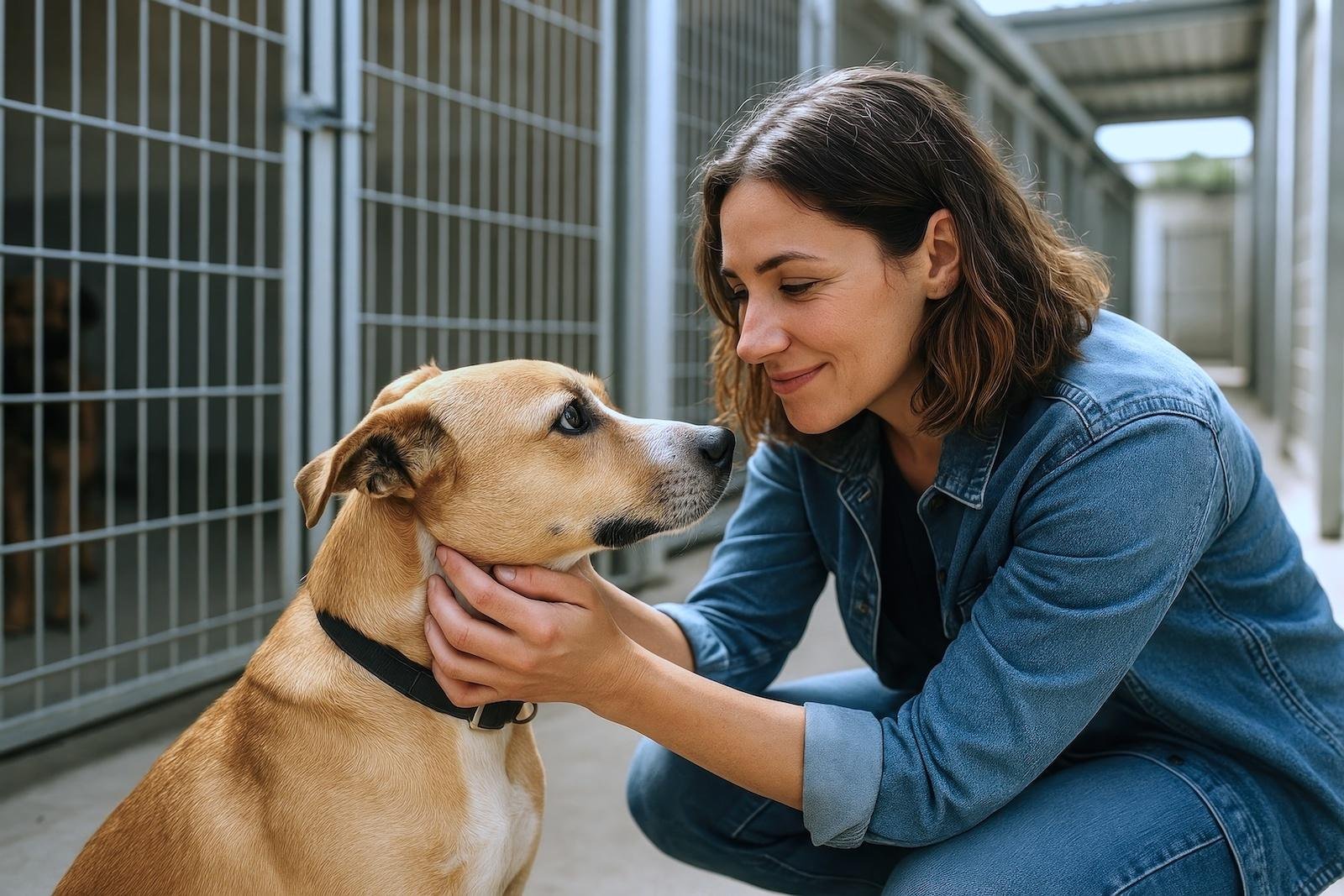
I’ve had dogs most of my life. All but two were from a shelter. Some were strays I picked up on the way home. My life doesn’t feel full without pets. There is a reason why animal and humans have come together since the beginning of time. To some degree, we depend on each other for survival. Humans are animals too. We both need to survive on this planet, raise babies, and thrive with love, and need to feel safe.
Get Your Mind Straight
There is more to dog adoption than just running to a shelter to get one. There are questions, knowing what you’re looking for, and handling expectations. There is a mentality, or mindset, that needs to be in place first.
If you’re thinking about dog adoption, the first thing to come to terms with is your decision is “forever”. Don’t go into this decision, thinking you can return, abandon, or give them away. If that thought has crossed your mind, then you probably shouldn’t be considering adoption.
Adopting a dog is kind of like having a kid. You can’t just change your mind. You cannot fail them. And, be mindful of the type of dog you’re looking for when you walk into that shelter. Be open to mixed breeds, because that’s the most common you’ll find in dog shelters.
It is possible, though, to rescue specific breeds, if you’re looking for a full breed dog. Consider a Mastiff, Bully, Pug, or Boxer, etc. This way, you’ll still be rescuing a dog from the shelter, but you’ll also find the perfect breed for your lifestyle.
Adopt a Dog to Fit Your Lifestyle
We’ve made this mistake more than once, but being who we are, we adapted. We currently live with two adopted dogs who have an abundance of energy…more than we can handle. Fortunately, our pups managed to make us more active & aware of the benefits of dog enrichment. We’re even considering dog agility classes!
Be ready for the real possibility that your newly adopted pup will need some basic training. Your pup will also need lots of exposure to people, places, and things to start feeling comfortable in the world. This is especially true if they’ve been in shelters for a long time, or at an early age.
As for types of dogs, if you’re a couch potato, then get a dog who’s at least part couch potato. Larger dogs tend to be less energetic, due to their size, but this isn’t always the case. Also, keep in mind that larger dogs require more space, more dog food, and don’t live as long. Ideal matches would be a Mastiff, Bernese Mountain Dog, English Bulldog, Spaniels, Pekingese, Basset Hound, Greyhound, etc.
If you’re a jogger or the outdoorsy type, then a perfect match would be a breed with lots of energy. Consider a Border Collie, Australian Shepherd, or Labrador. You might also like a Cattle dog, Boston Terrier, Staffordshire, or Golden Retriever. Ooh, and let’s not forget Huskies and Dalmatians!
Do you have the space for a dog?
Before considering dog adoption, make sure you have enough space for them to run and play in. This could be a dog run along the side of your house. It might also be a medium to large backyard, depending on the size of the dog you’re adopting. If you’re a very active person, nearby trails you and your dog can walk daily are beneficial.
The indoors matters too. Will you have, or make room for, their pet beds, toys, and bowls? Can you accommodate all the things that come with having a dog in your home? Some dogs get nervous on hard floors. Are you willing to purchase an area rug so your dog doesn’t slip?
What do I need to ask before considering dog adoption?
First, ask the questions you’ve been thinking about after deciding to rescue and adopt a dog. What’s been on your mind since that decision? Is there something you’re curious about? The top 5 questions to ask before you adopt a dog are:
- What do you know about the dog’s history, like living conditions, abuse, etc?
- Do they have any behavioral issues that I need to be aware of?
- How long have they lived in the shelter? How old are they now? Understand that not all dogs will have a known birth date.
- Is the dog potty-trained and been through any basic training?
- What is their health history (vaccinations, microchipping, spayed/neutered), and do they have any current health conditions to be aware of?
- If you have children or pets at home, it’s vital to ask about how the dog behaves around them. Determine how the dog interacts with cats, other dogs, strangers, and young children.
- What costs are involved in adopting a dog, and does your shelter offer free support, like puppy training, discounts for vet visits, or other resources (like training & vet referrals)?

