Our area has been in the high 90s and triple digits for weeks, and it’s not even August yet! Extreme heat and dogs don’t mix well. Usually, Summer is the best time of year to get outside with your dog, whether you’re hiking a favorite trail, exploring a park, or just taking a neighborhood walk. Unfortunately, extreme summer heat brings big risks that some dog owners can underestimate.
Dogs can’t regulate their body temperature as effectively as people, so they overheat faster. A day that feels warm to you may already be too hot for your dog, especially if they’re running and playing, or on hot pavement. Understanding how heat affects your dog, and knowing when to go indoors, helps avoid an unwanted emergency while keeping your dog active, engaged, and happy over the summer.
Why Extreme Summer Heat Is Dangerous for Dogs
Dogs rely on panting to cool down because they have so few sweat glands. They’re limited to sweating through their paw pads and releasing heat by panting. Once the air becomes hot or humid, panting becomes less effective, making it hard for their bodies to cool down naturally. As their internal temperature rises, they become more vulnerable to dehydration, heat exhaustion, and heatstroke.
Heat becomes dangerous for dogs very quickly, especially during the hottest hours of the day. High humidity makes the situation much worse because moisture in the air slows the evaporation that helps a dog’s body cool while panting. Dark colored coats, lack of shade, poor air circulation, & intense activity add to the risk. Even a short game of fetch or a long walk can become dangerous.
Some dogs are especially vulnerable to overheating and getting heatstroke. Puppies and senior dogs often struggle to regulate their body temperature as efficiently as an average-aged adult dog. Flat faced breeds such as Bulldogs, Pugs, Boston Terriers, and Boxers have narrow airways, making it hard for them to cool down when panting. Dogs with double coats, overweight dogs, and those with health conditions also have a higher chance of developing heatstroke. Regardless of breed or age, any dog can get heatstroke under the right conditions.
Typical Signs of Heatstroke in Dogs
Heatstroke is a real emergency. The faster you recognize the signs, the better chance you have of preventing it. Dogs tend to show subtle symptoms before collapsing. Pay close attention to changes in their breathing, energy level, and behavior during overly hot weather. Signs of heatstroke might show up as:
- intense panting
- uncontrollable drooling
- bright red or pale gums
- a rapid heartbeat
- vomiting or diarrhea
- confusion or disorientation
- stumbling/falling
As it progresses, dogs could fall, lose consciousness, or have seizures. If you witness any of these symptoms in your dog on an extremely hot day or situation, they will require immediate veterinary care.
If you believe your dog is suffering from heatstroke, move them to a cool, shaded, or air-conditioned area ASAP. Offer them small amounts of cool water if they’re alert enough to drink it. Use cool (not ice cold) water on their body to start lowering their body temperature gradually. Contact your veterinarian or nearest emergency animal hospital immediately. This is crucial, as heatstroke can cause damage to internal organs, even if your dog seems to be recovering.
Preventing Heatstroke in Dogs on HOT Days
Fortunately, heatstroke is preventable with some planning and awareness. Adjusting your routine during bouts of extreme heat lets your dog continue enjoying daily activities without exposing them to the possibility of a major emergency.
- Walk During the Coolest Hours
Walk early in the morning or later into the evening when temps are low and the concrete is cooler. Before heading out with your pup, put the back of your hand on the ground for about 7-8 seconds. If it feels too hot on your hand, it’s too hot for your dog’s paws.
- If You Bring Dogs, Bring Water
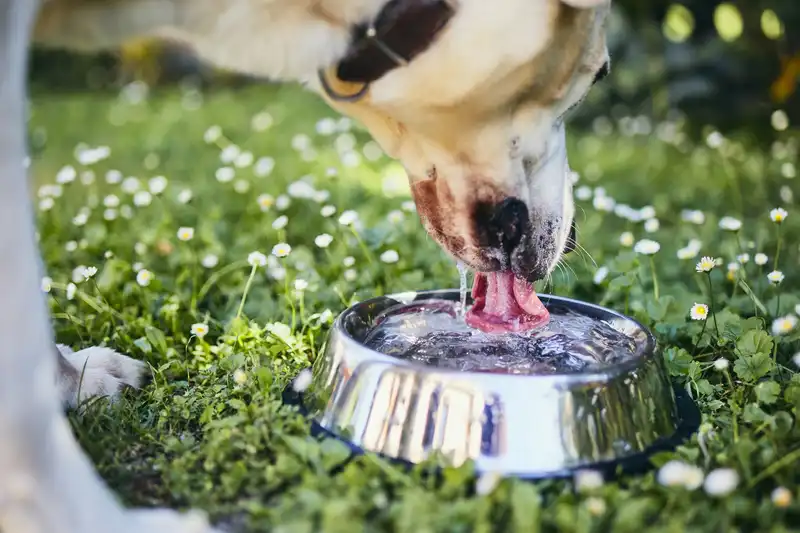
Hydration plays an important role in helping your regulate their body temperature. Always bring fresh, cool water whenever you leave the house, even if you’re only gone for a short time. Portable water bottles with attached bowls or collapsible travel bowls make it easy to offer your dog frequent drinks during walks, hikes, or outdoor adventures. Encourage small water breaks throughout your outing rather than waiting until your dog appears thirsty.
- Always be Looking for Shade
When spending time outside, look for places with lots of shade. Tree-lined walking paths, grassy parks, and wooded trails are usually cooler. Take as many breaks as needed in the shade to give your dog time to lower their body temperature before continuing.
- Never Leave Dogs in a Parked Car
One of the biggest no-no’s in the heat is leaving a dog inside a parked car. Even with the windows cracked open, the temperature inside a car can rise quickly. On a hot day, the interior of a car can get hot enough to cause heatstroke. If you’re going to a place that doesn’t allow dogs inside, please leave your dog at home.
- Pay Close Attention to Your Dog
All dogs have different limits, and many will play outside longer than they should (like mine!). Excitement tends to over rules the smart gene, leaving you to keep an eye your dog. If you dog starts slowing down, panting heavily, looking for shade, or lying down unexpectedly, it’s time to stop & help them cool down.
Avoid Exposing Dog to Extreme Heat with Fun Indoor Enrichment Activities
When temperatures rise too high, move activities indoors to protect your dog while still meeting their physical and mental needs. Many owners worry that skipping a walk will leave their dog restless, but mental stimulation can be just as tiring as physical exercise. Activities that encourage your dog to sniff, solve problems, and learn new skills provide healthy outlets for energy without exposing them to dangerous heat.


- Visit New Places
Consider taking them to a safe store or dog-friendly restaurant to explore. Try Cabela’s or Scheel’s (they love dogs). And, just about any pet store allows dogs inside. Or, how about a department store like TJ Maxx, Nordstrom (or the Rack), Marshall’s or Old Navy. Michael’s is a good one too if you like crafts. Hardware stores are also an option, but we avoid them due to the chemicals (bad for big sniffers, like dogs). Many of these store rules vary for dogs depending on location, so call first to be sure. - Make Frozen Treats
Frozen treats helps dogs cool down while having a little fun. Fill a durable real rubber food toy with something dog-friendly and yummy. Examples: wetdog food , 100% pumpkin puree, dog-friendly peanut butter (no sugar, xylitol or additives – peanuts only), plain fat-free yogurt, mashed banana, dog-friendly bone broth (no garlic or onion – get from your pet store), or other dog-safe ingredients before freezing it. Licking and chewing not only occupies your dog for awhile, but also can have a nice calming effect.
- Create a Sniffari
Scatter your dog’s kibble or training treats around a room or backyard, hide treats in the house, or use a snuffle mat to encourage foraging. Dogs experience the world through their nose, so allowing them to search for food triggers instincts they find rewarding. Nose work is calming, mentally engaging, and a great activity for all dogs.
- Practice Training Sessions
Short training sessions are a great way to exercise your dog’s brain while strengthening your bond. Practice basic cues, introduce new tricks, or work on basic training such as settling, waiting, or coming when called. Just 5-10 minutes of focused training can leave many dogs gently tired.
- Play Interactive Games
Games like hide and seek, find the toy, or indoor fetch provides both mental and physical stimulation. You can also create a simple obstacle course using household furniture, rolled towels, cardboard boxes, or cushions to encourage your dog to navigate different challenges safely.
- Offer Puzzle Toys
Food puzzles and interactive feeders encourage your dog to think, problem solve, and work for their meals instead of eating from a traditional bowl. Rotating different puzzles throughout the week helps maintain novelty and prevents boredom while slowing down fast eaters. My dog, Cali, is unusually smart (may be a genius), so it’s hard to find a puzzle she can’t solve. Willow, on the other hand, has to work for it, but it keeps her busy and she finds it rewarding.
- Enjoy Quiet Bonding Time
Not every enriching activity has to involve high energy movement. Grooming sessions, cooperative care exercises, massage, or simply relaxing together while rewarding calm behavior can be valuable types of enrichment. Teaching your dog how to settle and relax is a great life skill that benefits both dogs and their owners.
Keep Your Dog Safe and Happy All Summer Long
Summer should be filled with fun activities, not emergencies. While it’s disappointing to skip a walk or postpone an outdoor adventure because of the weather, your dog can still enjoy the day. What do you do with your dog when going outside is no longer a safe option?