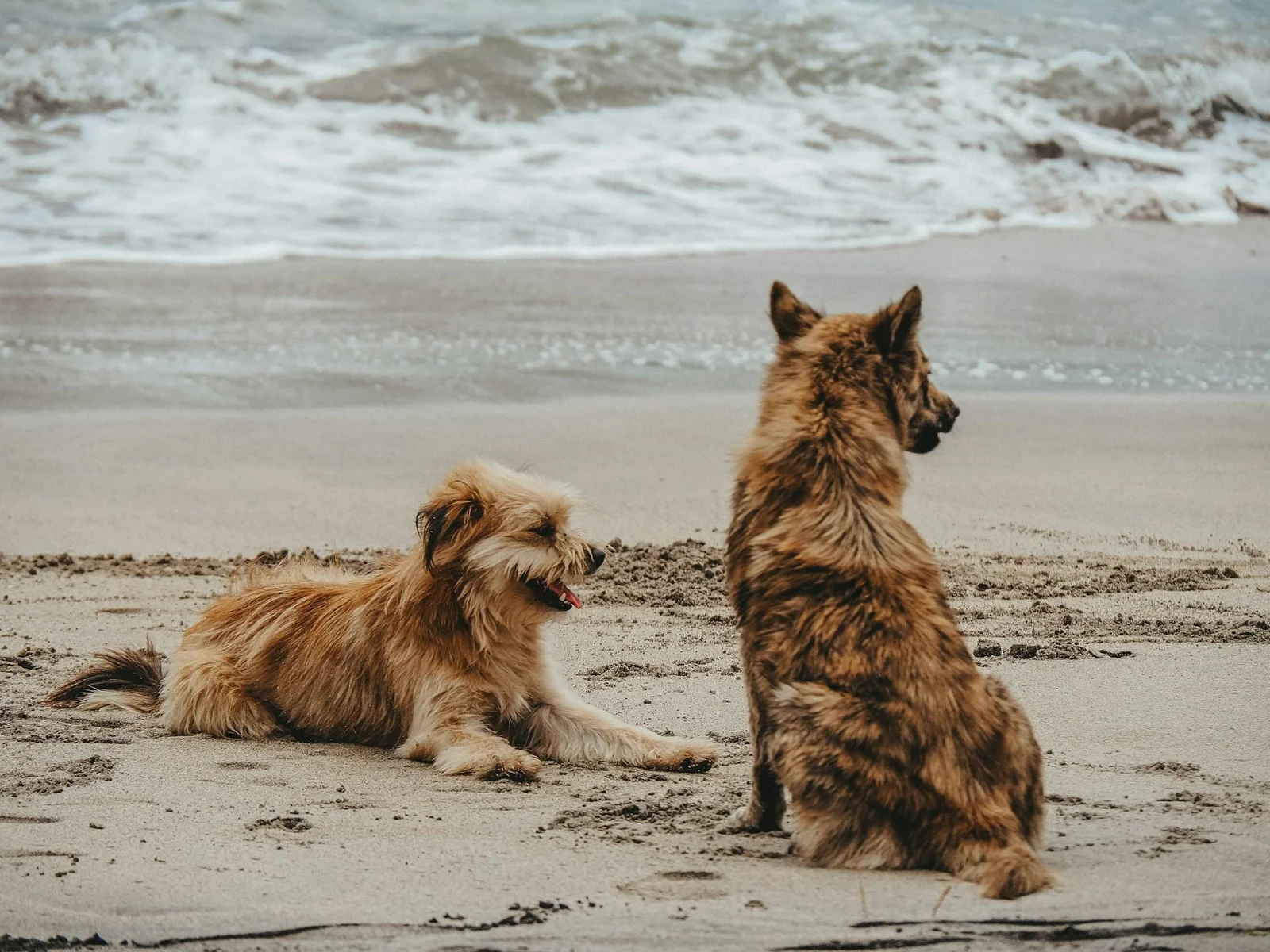
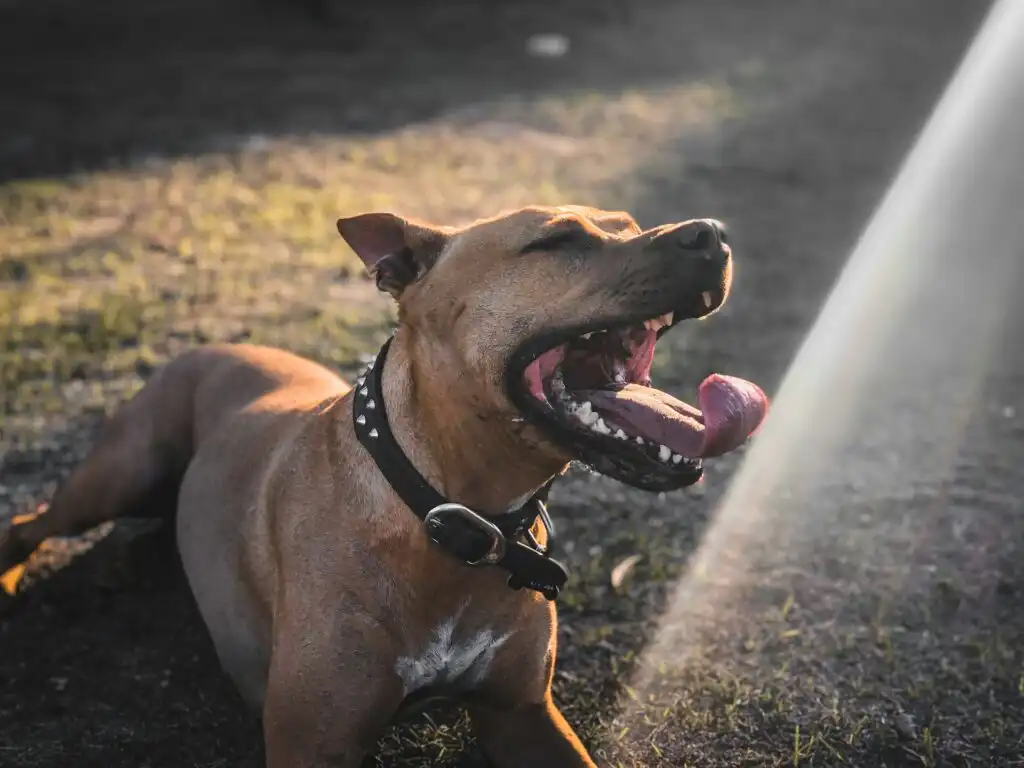
When your dog barks at strangers, steals socks and bras, jumps up on people, or decides not to walk down the street with you, it’s easy to categorize it as “bad behavior”, but a change in dog behavior happens for a very real reason.
Every dog behavior has a true purpose. Indeed, your dog is always trying to meet a need, avoid discomfort, and communicate their feelings to you. Once you understand why a behavior happens, you can respond in a way that actually helps instead of simply trying to stop the behavior.
Dogs, obviously, behave like dogs. How else could they behave? Rather than expecting them to think like people, learn to understand their body language. You don’t need a diploma to interpret dog behavior. You simply need to pay closer attention.
Your Dog Uses Behavior to Communicate
Dogs can’t tell you when they feel overwhelmed, excited, nervous, frustrated, or afraid. Instead, they communicate through their actions.
For example, barking may sound the same every time, but different emotions can trigger it depending on the situation. Instead of reacting to the barking itself, look for the reason behind it.
Your dog may bark because they feel:
InsecureUnlike people, dogs can’t explain if they’re overwhelmed, overexcited, nervous, agitated, or frustrated. But, they can communicate through their actions. The barking may look and sound the same, but the reason for their barking changes, depending on the situation. This is why understanding the reason behind the behavior matters more than just reacting to the dog’s behavior. A dog who starts barking might mean they feel:
- Fearful
- Threatened
- Frustrated
- Overexcited
- Protective
- Insecure
Become a Dog Behavior Detective
When your dog does something you don’t understand, observe what happened immediately before their reaction. Finding the trigger helps you understand why the behavior occurred. Ask yourself:
- What happened right before the behavior?
- Who was nearby?
- What sounds did you hear?
- Did another dog appear?
- Did someone enter the room?
- Had your dog been resting?
For example, if your dog growls whenever someone approaches while they’re eating or chewing a treat, the food isn’t the problem. Your dog protects what they consider valuable. Behavior experts call this resource guarding.
How does the behavior benefit your dog?
Dogs repeat behaviors that work for them. If barking causes the mail carrier to leave, your dog learns that barking protects the home. From your dog’s perspective, the behavior succeeds.
The same principle applies to jumping. If your dog jumps on people and receives attention, they learn that jumping works. Even telling your dog “no” or pushing them away still provides attention, which reinforces the behavior.
Before you can change a behavior, identify what continues to reward it.
What is your dog feeling?
Current research shows that emotions drive behavior. Instead of asking, “How do I fix this?” ask yourself: “What is my dog feeling right now?”. Common emotional motivations include:
- Fear
- Anxiety
- Stress
- Curiosity
- Excitement
- Frustration
- Playfulness
When you address the emotion instead of the symptom, you often create lasting change.
What does your dog’s body language tell you?
Dogs learn communication long before they bark or growl. Learning to read your dog’s body language ranks as one of the most valuable skills any dog owner can develop. Many subtle signals show that your dog wants to reduce tension or avoid conflict before a situation escalates.
The earlier you recognize those signals, the sooner you can help your dog before they feel the need to bark, lunge, or snap. Watch for signs such as:
- Lip licking
- A stiff body
- Looking away
- Pinned-back ears
- A lifted front paw
- A tucked tail
- Seeking affection
- Yawning when not tired
- Slow, stalking movements
- “Whale eye” (showing the whites of the eyes)
Are your dog’s needs being met?
Most “behavior problems” aren’t actually training issues at all. They’re needs that haven’t been met. Here’s an example: A young working dog breed that has to spend all day inside may become suddenly destructive because their brain and body aren’t getting the stimulation they need. Or, consider a senior dog suddenly becoming irritable or difficult because arthritis makes movement painful. Meeting your dog’s needs often improves behavior naturally.
Here are some examples of what a dog needs:
- Consistent routines
- Mental enrichment
- A safe place to retreat
- Fresh food and clean water
- Social interactions that suit their personality
- Opportunities to sniff and explore (also enriching)
- Quality sleep (most dogs sleep 16 to 20 hours each day)
- Appropriate physical exercise for their breed, age & health
Appropriate physical exercise for their breed, age, and health
Pay Attention to the Environment
Your dog’s environment directly influences their behavior.
A dog who usually responds well may struggle after moving into a new home because stress affects their ability to cope. They may not understand why everything changed.
In many cases, adjusting the environment proves easier than trying to change the dog. Different environmental factors that might affect your dog’s behavior include:
- Loud noises
- Visitors
- Busy neighborhoods
- Lack of sleep
- Changes in routine
- Medical conditions
- Pain
- Weather
- Hormonal changes
Common Behaviors and Possible Motivations
Understanding possible motivations helps prevent assumptions.
- Barking
Dogs bark because they feel excited, alert, fearful, bored, frustrated, or because they want attention. - Chewing
Puppies chew while teething. Dogs may chew because they feel bored or stressed, or simply because chewing feels good. - Jumping
Many dogs jump because excitement and past experiences have taught them that jumping gets attention. - Digging
Dogs dig to cool themselves, hunt, bury valuable items, or simply because digging feels enjoyable. - Pulling on the Leash
Dogs don’t pull to dominate. They walk faster than us, want to explore, or are excited to get to something interesting. - Growling
Growling communicates discomfort. It tells you your dog needs space. If you punish the growl, you may silence the warning while leaving the underlying emotion unchanged.
Your Dog Deserves Understanding
Your dog works every day to understand you, so they deserve the same effort in return.
Dogs amaze us with their intelligence, loyalty, empathy, and ability to love. They protect their families, comfort people in difficult moments, detect illness, and even guide others to safety.
When you begin to understand the reasons behind your dog’s behavior instead of simply reacting to it, you build trust, strengthen your relationship, and create a happier life for both of you.
We’d love to hear about your experience. What behaviors has your dog taught you to understand differently? Share your story in the comments below, and thanks for visiting!
Resources:
Fear Free Pets. https://fearfreepets.com
American College of Veterinary Behaviorists (ACVB). https://www.dacvb.org
American Veterinary Society of Animal Behavior (AVSAB). https://avsab.org
McConnell, P. (Patricia). The Other End of the Leash and other canine behavior resources. https://www.patriciamcconnell.com
Overall, K. L., MA, VMD, PhD, DACVB. Canine behavior and behavioral medicine resources. https://www.karenoverall.com
Rugaas, T. On Talking Terms with Dogs: Calming Signals. Dogwise Publishing.