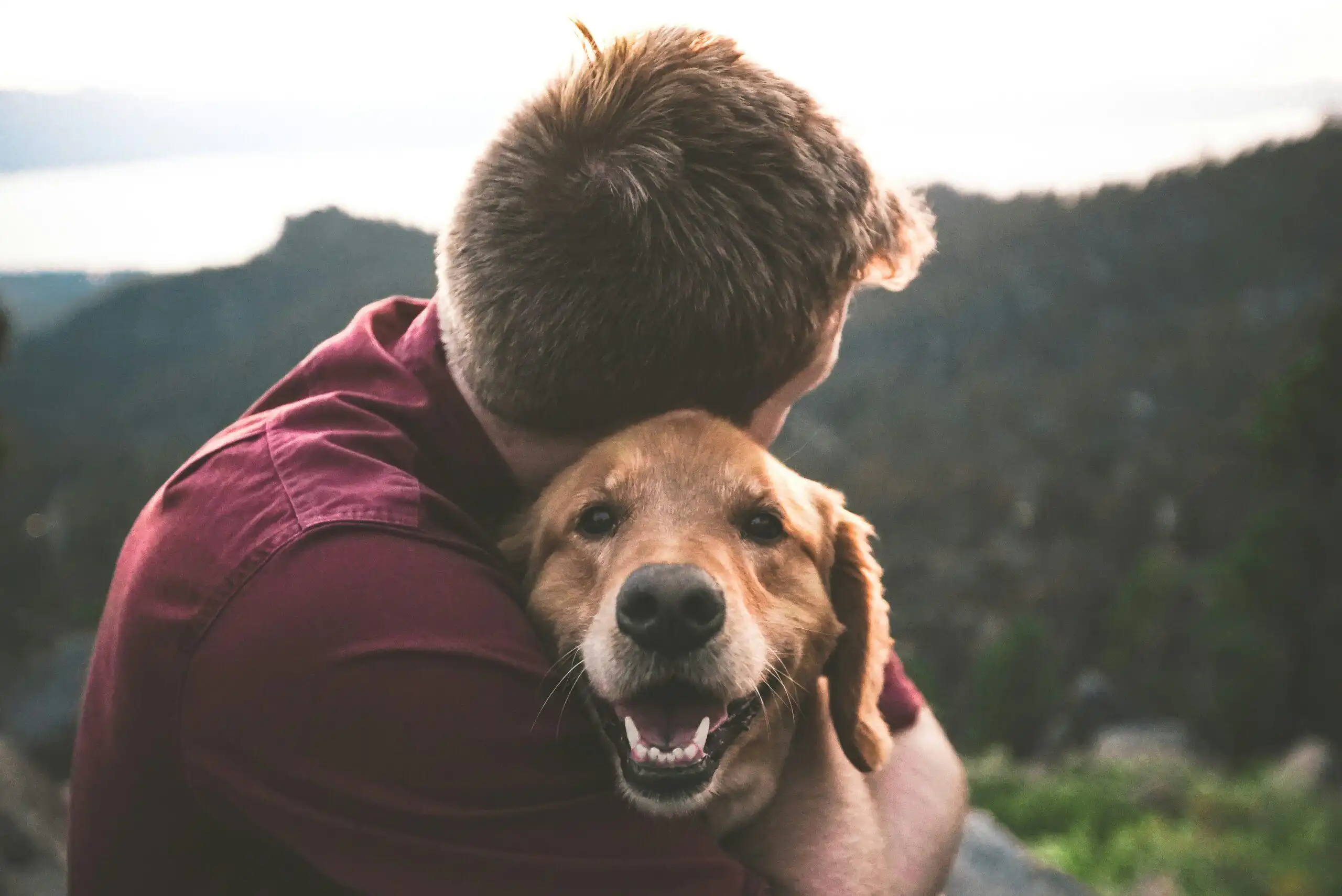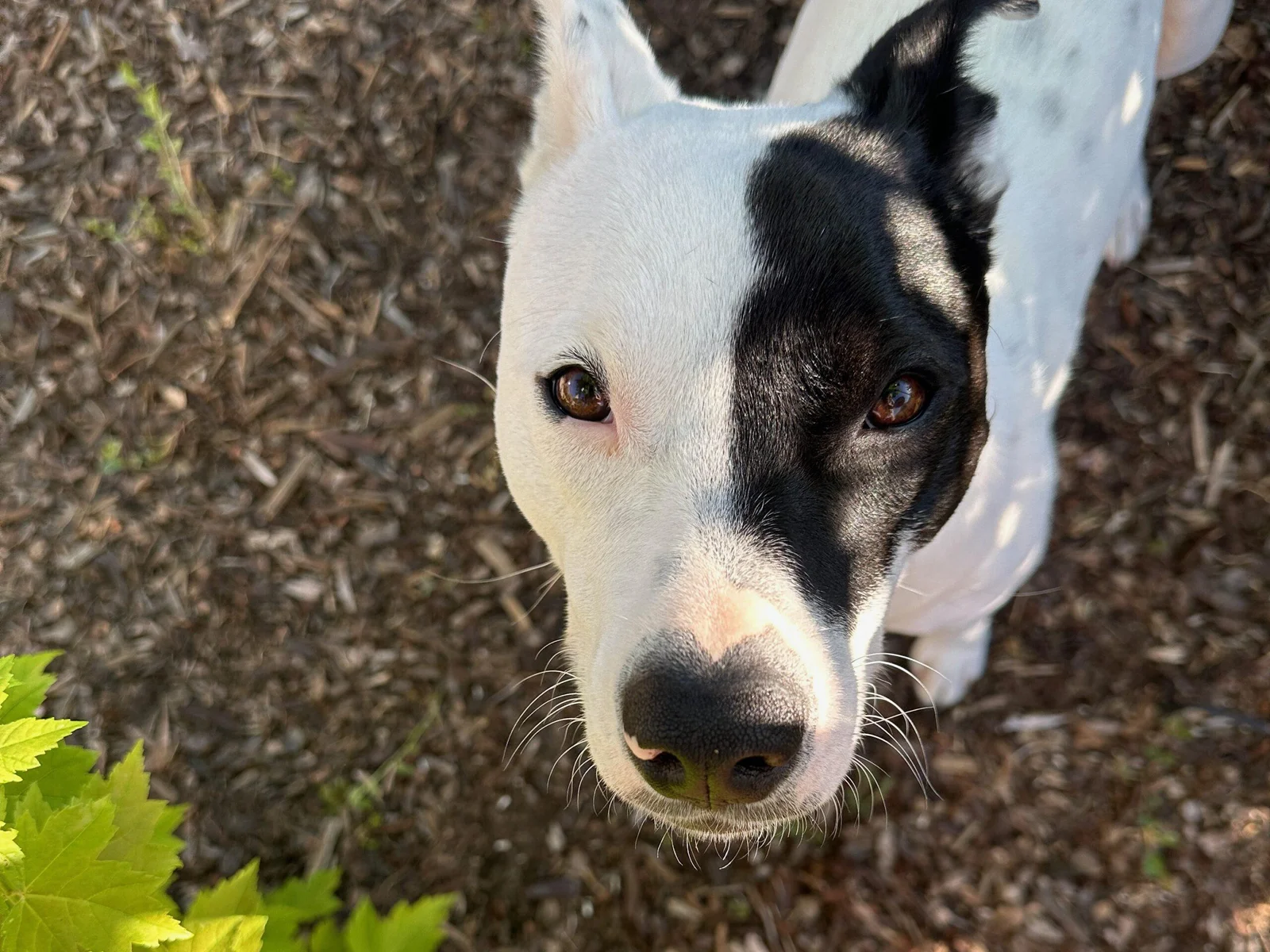

If you’ve ever adopted a rescue or shelter dog, you’ve likely seen the signs of separation anxiety in dogs. Of course, dogs from any background can struggle with this type of anxiety. Watching your dog panic when you leave is heartbreaking, and often leaves owners feeling trapped at home. We faced this challenge about two years ago after adopting our first dog, Cali.
It took us some time to understand what was happening, but once we did, we committed ourselves to helping her overcome it.
What is separation anxiety?
Separation anxiety in dogs is exactly what it sounds like. It happens when a dog becomes anxious after being separated from the person or animal they feel most attached to, usually their owner. This anxiety can cause dogs to become depressed, pace nervously, drool, bark or howl, have accidents in the house, chew furniture, and worry about whether their person will return. In homes with multiple dogs, separation anxiety can also appear when one dog has to leave, like for a vet visit.
How does separation anxiety happen in dogs?
Dogs can develop separation anxiety for many reasons. A traumatic event, such as being surrendered, abandoned, or separated from their mother and littermates too early, can trigger it. Genetics can also play a role, and because separation anxiety affects both purebred and mixed-breed dogs, any dog can develop it.
In some cases, dogs develop separation anxiety because they form an intense attachment to one person. Over time, they may follow that person everywhere, and depend on their constant presence to feel safe. When that person leaves, the dog’s sense of security disappears, and panic sets in. A strong bond with your dog is usually a wonderful thing, but when that attachment becomes excessive, it can evolve into separation anxiety.
Dogs can also develop general anxiety from living in stressful environments, whether at home, on the streets, or in an animal shelter. Chronic loud noises, abuse, neglect, or hunger can create lasting stress and anxiety. Over time, that general anxiety can develop into separation anxiety.
Helping Your Dog Overcome Separation Anxiety
Watching your dog panic when you leave the house is incredibly difficult. You come home to chewed door frames, nonstop howling, barking, or puddles on the floor and may think your dog misbehaved. But these behaviors don’t signal a naughty dog. They signal distress, fear, and stress. With patience and the right approach, you can help your dog feel more secure and may even resolve the issue completely.
Another Possible Solution to Separation Anxiety in Dogs
My dog, Cali, had a very difficult time adapting to being home alone. She couldn’t relax. She’s a very high-energy dog. She, literally, vibrates. She’s also quite vigilant, always keeping her eye on the windows and door, pacing. There’s a general anxiety that’s already there, inside her, and it appears to be part of her personality.
It occurred to us that she might not have separation anxiety at all. Maybe she just needed to learn how to relax.
Although it’s possible to teach a dog to relax and be calm by using positive reinforcement, we went a slightly different route. We adopted Willow, a half Husky and half Lab stray. This dog does nothing but relax. She’s legitimately lazy, and she was totally fine being left alone. Willow is who taught Cali how to relax and lay down in the living room and nap until we got home. It felt like a miracle. This isn’t an option for everyone, and may not work for all dogs, but it did for us.
A Gradual Approach to Reducing Anxiety
Strengthen your bond. It may seem counterintuitive, but reducing separation anxiety starts with strengthening your relationship with your dog, not pulling away from them to “toughen them up” to being alone.
Dogs who feel secure in their relationship with you handle being alone much better. They trust your routines, know you’ll respond to their needs, and feel safe in your presence. Build that trust by spending quality time together through play, training, walks, and cuddles so your dog doesn’t constantly seek reassurance.
Keep goodbyes casual. Avoid dramatic departures and overly-enthusiastic returns. Big emotions when you leave or return can make your dog believe your absence is a major event and something to worry about. Keeping things calm and low-key teaches your dog that leaving and returning are just part of everyday life.
Practice super short absences. Start with departures so short that your dog doesn’t have the opportunity to become anxious. Step outside and immediately come back in. Repeat this exercise throughout the day by using the front door, back door, or even the garage door. The goal is to show your dog that you leave and always return.
Gradually increase the time. Once your dog stays relaxed during these short absences, slowly increase the amount of time you’re gone. Add minutes first, then gradually work toward longer stretches. Increase the duration in small increments and stay within your dog’s comfort zone. Pushing too far too fast can set you back a step.
Use rewards carefully. For some dogs, treats, toys, and other rewards can create excitement rather than relaxation. Some trainers recommend food-stuffed toys, but I prefer to avoid them, especially with aggressive chewers because of the potential safety risks. When you return home, walk in casually and consider offering a treat only after your dog sits, lies down, and relaxes.
Create a safe space. Our dogs nap on the sofa when we’re away for a few hours. Other dogs feel more secure in a crate or on their own bed. Give your dog a comfortable place to relax, where they feel safe. A crate or blanket that carries your scent may provide extra comfort while you’re gone.
Don’t skip steps. Progress with separation anxiety takes patience, and you should expect setbacks to happen. Resist the urge to jump ahead just because your dog seemed fine the last time you left. Consistency and gradual progress create lasting change. Small steps may feel excrutiatingly slow, but they often make the biggest difference.
When to Seek Additional Support
For dogs with severe separation anxiety, you may need to pair gradual desensitization with guidance from a professional dog trainer or behaviorist. For some dogs, your veterinarian may recommend anti-anxiety medication as a temporary tool to help your dog stay calm enough to learn.
Patience, Patience, Patience…
You won’t resolve separation anxiety overnight. Your dog will make progress in small, sometimes frustratingly slow steps, but many dogs improve with consistent training. The goal isn’t to create a dog who loves being alone. The goal is to help your dog feel safe enough that being alone no longer feels scary.
Have you ever helped your dog overcome separation anxiety? What worked for you? Share your experience in the comments.