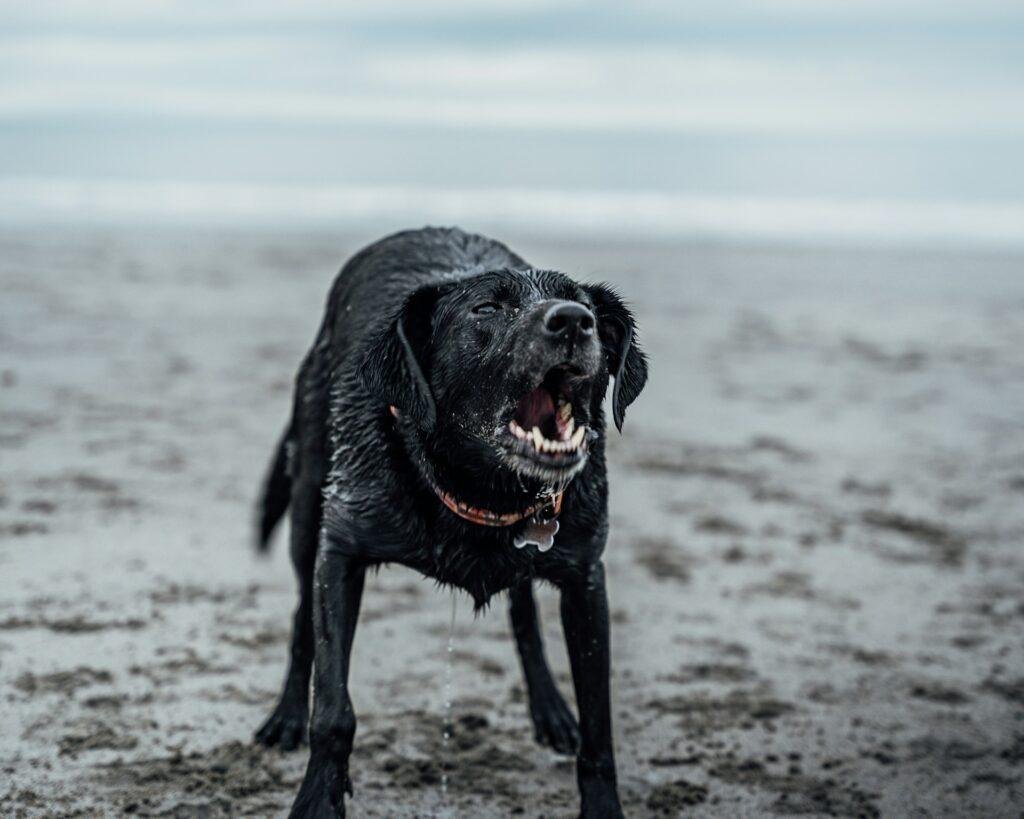
Resource guarding is a natural canine instinct. Dogs may growl, stiffen, or even snap when they fear losing something valuable — like food, toys, or even a favorite resting spot. While this behavior is rooted in survival, it can become dangerous in a home setting. The good news? With proactive training and trust-building, you can prevent resource guarding before it becomes a problem.
* This page contains affiliate links. As an Affiliate & Amazon Affiliate, I earn small commissions from qualified purchases.
What Is Resource Guarding?
Resource guarding happens when a dog feels the need to protect something they consider valuable. It can range from subtle signs (like hovering over a toy) to more intense behaviors (growling, snapping, or biting).
Why do they do it? It’s ancestral. Dogs had to protect their food to survive. It’s a natural behavior the shows up when they feel like their food, toy, chew, or anything else they value is threatened.
For example, if someone has repeatedly taken food or a ball away from them with no replacement. Maybe they had to fight for their food in a shelter. There are many reasons why a dog might guard things and food. My dog started resource guarding when our newly adopted dog entered the picture.
When My Dog Started to Resource Guard
My dog, Cali, started resource guarding her chews and food right after adopting our other dog, Willow. This was new to us, and it took us quite some time to help her stop doing resource guarding. With her chews, we used a combination of both Method 1 and Method 5, listed below.
Initially, Method 1 (“up-trading”) helped to some degree, but only when she was chewing on certain dog bones. If it was a collagen bone, she wasn’t having it. During these times, we would focus on desensitizing instead.
We shortened our distance from her slowly, over time, until she let us lightly pet her while she was chewing. If we both felt comfortable, we would move our hand a little bit closer to her head or cheek. We continued this desensitization method until us being near or petting her, didn’t bother her anymore.
With her food, we completely separated the dogs, and fed them in different rooms for a few months. Slowly, we would partially open the door, but keep the other dog away from the door. Doing this over time, and gradually opening the door, helped immensely. Eventually, we got to the point where Willow would sit on the other side of the door with it open. They could see each other and I made sure Cali still had her space.
We just did things very slow and gradually, inching them close together. Now, they eat out of each other’s bowls!
Resource-guarding prevention focuses on teaching your dog that people or other dogs approaching their “resources” is not a threat. It’s normal, and often a good thing.
5 Methods to Help Prevent Resource Guarding
1. Give them an “Up-trade”
Teach your dog that giving something up means something better is on the way.
- Offer your pup a favorite toy or chew.
- Present a special, high-value treat, chew or toy.
- Reward them when they drop the toy or chew, then be sure to return it after the exchange. This builds trust and reduces the fear of losing prized possessions.
2. Hand-Feed for Bonding & Trust
Feeding your dog directly from your hand during some meals helps them associate your presence with good things. Transition to placing their food in a bowl. Occasionally, drop tasty extras like bits of chicken breast into it while they eat. This makes your approach feel positive. Never stick your hand IN their food bowl while they’re eating.
3. Condition a Positive Approach
If you walk by while your dog is eating or chewing a bone, casually toss high-value treats nearby. Over time, your dog will learn: “When humans come close, something delicious happens.” However, do not leave dog chews, treats, etc laying around the house. This gives your dog too much control.
4. Teach “Drop It” and “Leave It”
These cues are lifesavers for preventing resource guarding. Start with low-value items, and reward your pup when they let it go, and gradually move to higher-value ones. Always reward your dog’s cooperation. A good recall can also be helpful here to call the dog away from a potentially high-value item. This goes for “place” too.
5. Desensitization & Counter-conditioning If your dog already shows mild guarding:
- Start at a distance where your dog is relaxed.
- Toss a treat, then step away.
- Gradually decrease the distance over time. This retrains your dog’s emotional response: humans near their stuff = bonus rewards.
Important Things to Remember about Resource-Guarding
- Never punish guarding. Punishment can suppress warning signals like growling, making bites more likely.
- Go at your dog’s pace. If you see stiffening, hard staring, or growling, back up to an easier step.
- For severe cases, seek professional help. A certified trainer or behaviorist can create a tailored plan.
- Don’t leave things out like chew, socks, etc. lying around your pup may want to guard.
- After your dog finishes eating, remove the dog bowl.
- If your dog has resource-guarded a specific dog chew or toy, don’t give it to them again.
- Don’t allow your dog to free-feed if they resource-guard their food.
Resource guarding doesn’t make your dog “bad” — it makes them normal. Build trust with your dog. Teach cooperative behaviors and reward generosity. By doing this, you can prevent resource guarding. You’ll create a safer, happier environment for everyone in your home.
Please return to this dog blog and let us know if our suggestions helped you conquer your dog’s resource guarding. And, if not, what method did you use that DID work?