There is one moment every dog owner dreams about, and it relates to bonding with their dog. It’s that subtle shift when your canine companion stops seeing you as just someone who fills the bowl, and instead sees you as part of the pack.
This is where your relationship changes, and becomes deeper and stronger. You’ll feel it, and know that it’s permanent. Becoming a family is a part of the journey that transforms routine care into genuine companionship.
This page may contain affiliate links. As an Affiliate & Amazon Affiliate, I may earn a small commission from qualified purchases.
Clear Signs You’re Part of the Pack
Dogs communicate social bonds in obvious and subtle ways. If your dog follows you around from room to room (aka the “velcro dog”), they aren’t actually being clingy. They’re doing what dogs do: staying close to the pack. And, a relaxed, wiggly dog greeting you with soft eye contact is showing trust and affection that usually only pack members get to experience.
Pay close attention to how your dog sleeps with you. Any dog comfortable enough to sleep with their back to you, or with their belly exposed, has put their complete trust in you (Cali sleeps this way). It’s like your pup is saying, “You’re part of the pack, so I know I’m safe.” And, dogs who bring you their toys or lean against you are showing bonding behaviors that build pack connection.
The most telling sign of you becoming part of the pack is how your dog responds to you being upset or feeling sick. Dogs that know their humans well enough may become concerned and check in on their pack members often. This type of dog behavior is based on the cooperative care pack animals provide to one another.
How the Wolf Pack Actually Works
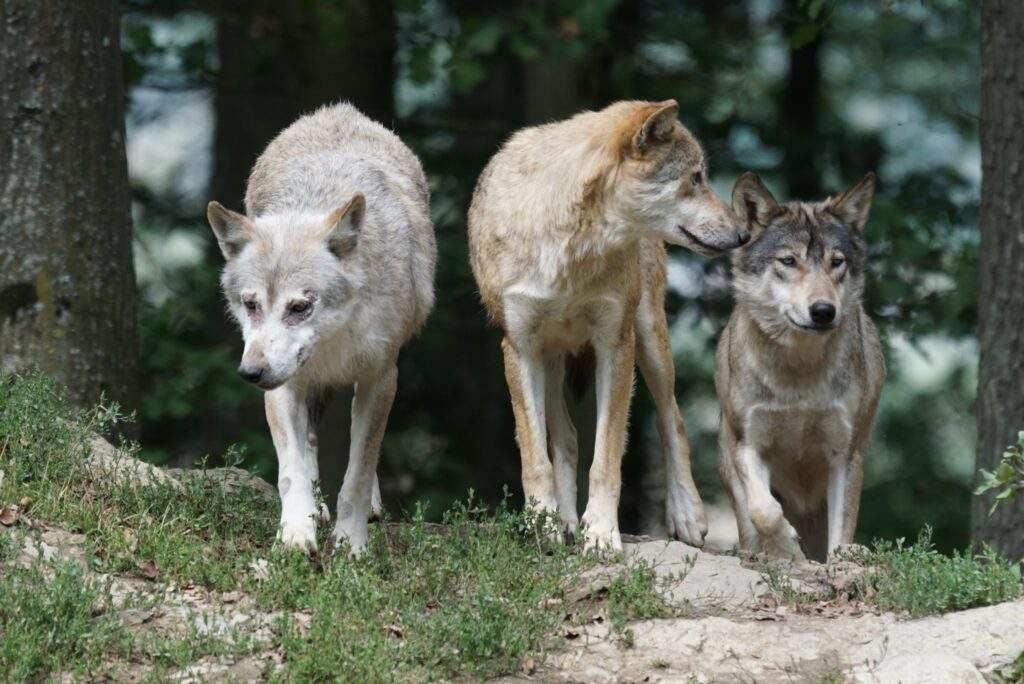
Look where the pack concept originated: wild wolf packs. Popular culture has long promoted the “alpha wolf” as a forceful, dominating, and aggressive animal who maintained control through challenges and submission displays.
However, is it possible that what we thought we knew about wolf hierarchies is actually wrong?
The original alpha wolf theory was based on studies of captive wolves, unrelated animals brought together artificially. It turns out wild wolf packs work very differently. A wild pack consists of a breeding pair and their offspring from several years. The parents naturally lead because they are, well, the parents. The wolf pack is really less “Game of Thrones” and more “functional family dynamics”.
Wolf packs hunt together, raise their wolf pups, and defend their territory. Leadership of the pack is about past experience and parental guidance instead rather than dominance or aggression. The hierarchy adapts. A more experienced wolf may hunt while a young wolf might do other things to provide for the pack.
How Times have Changed the Pack
What does all this mean as it pertains to our relationships with dogs?
Dogs do still have some pack instincts. They’re social animals who bond deeply, and generally prefer to be social over a having life of solitude. Dogs naturally feel safer with consistent routines and leadership from their people, and not because they require an “alpha”, but because clarity reduces stress and builds trust.
However, just to be clear, modern dogs aren’t wolves and your home isn’t a wolf pack. Dogs, these days, think and behave differently after so many years of domestication. They were selected for working with humans, reading us, and adapting to our way of life.
Dogs need someone (their people or person) who communicate well, using positive reinforcement, and who also treat them with affection and understanding. Not necessarily a “pack leader”, but more of a good dog parent.
Being a Part of the Pack: Bonding
The pack bond is strong and slowly built by thousands of small moments: daily walks or hikes, short training sessions, cuddles on the couch, etc. It’s mostly about the love, and how you care for each other. Dogs automatically learn to read your signals, so you need to reciprocate and learn theirs, so you can understand each other better, further strengthening your bond.
It’s truly incredible how two very different species can become emotionally attached to one another. The relationship between human and dogs is one that’s been going on for a long time. One that started around ancient campfires and now has a place in millions of homes today. What can I say? Love is love.
Have YOU become a part of the pack? What was the most obvious clue? Let us know in the comments!

